
Hnycareershub
Add a review FollowOverview
-
Sectors Logistics
-
Posted Jobs 0
-
Viewed 1143
Company Description
NHS: A Universal Embrace
Within the bustling halls of an NHS hospital in Birmingham, a young man named James Stokes carries himself with the measured poise of someone who has found his place. His polished footwear barely make a sound as he acknowledges colleagues—some by name, others with the familiar currency of a “good morning.”
James carries his identification not merely as institutional identification but as a declaration of belonging. It sits against a pressed shirt that betrays nothing of the challenging road that brought him here.

What sets apart James from many of his colleagues is not obvious to the casual observer. His demeanor reveals nothing of the fact that he was among the first participants of the NHS Universal Family Programme—an effort created purposefully for young people who have been through the care system.
“It felt like the NHS was putting its arm around me,” James reflects, his voice measured but revealing subtle passion. His remark captures the heart of a programme that strives to transform how the enormous healthcare system views care leavers—those vulnerable young people aged 16-25 who have transitioned from the care system.
The numbers tell a troubling story. Care leavers frequently encounter greater psychological challenges, money troubles, shelter insecurities, and lower academic success compared to their peers. Underlying these clinical numbers are human stories of young people who have maneuvered through a system that, despite best intentions, regularly misses the mark in offering the nurturing environment that forms most young lives.
The NHS Universal Family Programme, established in January 2023 following NHS England’s pledge to the Care Leaver Covenant, represents a significant change in institutional thinking. At its core, it recognizes that the entire state and civil society should function as a “universal family” for those who haven’t experienced the stability of a typical domestic environment.
Ten pathfinder integrated care boards across England have charted the course, establishing structures that reconceptualize how the NHS—one of Europe’s largest employers—can extend opportunities to care leavers.
The Programme is thorough in its methodology, beginning with comprehensive audits of existing practices, forming oversight mechanisms, and securing senior buy-in. It understands that successful integration requires more than good intentions—it demands practical measures.
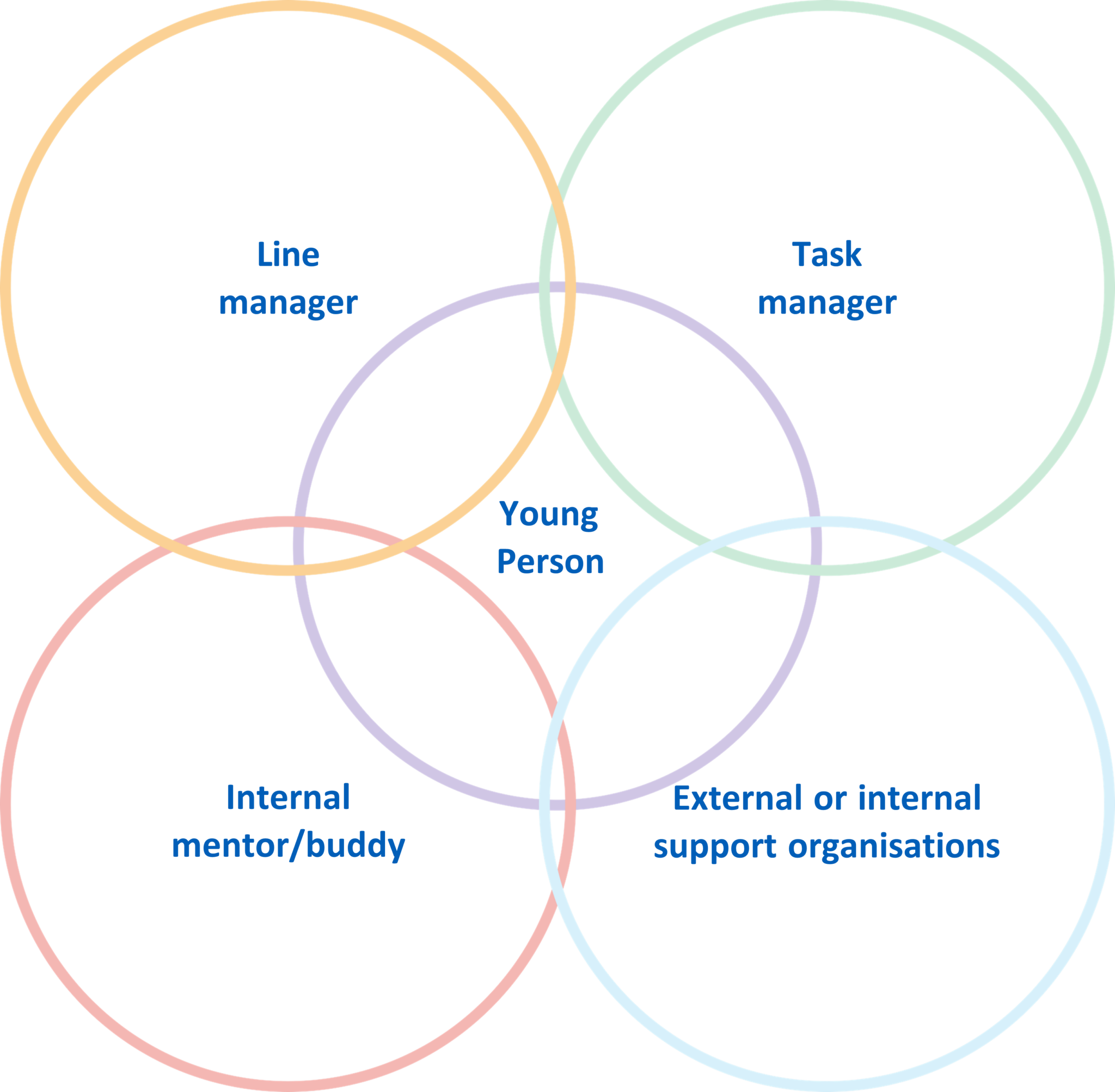
In NHS Birmingham and Solihull ICB, where James started his career, they’ve developed a consistent support system with representatives who can provide support, advice, and guidance on wellbeing, HR matters, recruitment, and inclusivity efforts.
The traditional NHS recruitment process—rigid and potentially intimidating—has been thoughtfully adapted. Job advertisements now focus on personal qualities rather than extensive qualifications. Applications have been redesigned to accommodate the particular difficulties care leavers might face—from lacking professional references to having limited internet access.
Perhaps most significantly, the Programme understands that beginning employment can present unique challenges for care leavers who may be navigating autonomy without the backup of parental assistance. Issues like commuting fees, personal documentation, and financial services—considered standard by many—can become substantial hurdles.
The brilliance of the Programme lies in its attention to detail—from explaining payslip deductions to helping with commuting costs until that essential first wage disbursement. Even apparently small matters like break times and professional behavior are carefully explained.
For James, whose career trajectory has “transformed” his life, the Programme delivered more than a job. It provided him a perception of inclusion—that intangible quality that grows when someone feels valued not despite their background but because their unique life experiences enriches the organization.
“Working for the NHS isn’t just about doctors and nurses,” James observes, his expression revealing the subtle satisfaction of someone who has discovered belonging. “It’s about a family of different jobs and roles, a team of people who truly matter.”
The NHS Universal Family Programme exemplifies more than an work program. It stands as a powerful statement that institutions can change to embrace those who have navigated different paths. In doing so, they not only transform individual lives but enhance their operations through the unique perspectives that care leavers contribute.
As James moves through the hospital, his participation silently testifies that with the right support, care leavers can thrive in environments once considered beyond reach. The embrace that the NHS has provided through this Programme represents not charity but appreciation of untapped potential and the profound truth that each individual warrants a family that believes in them.